Why a Paris climate deal must cover shipping and aviation

by Andrew Murphy, policy officer at Transport & Environment
The gripping Solar Impulse flight, and the news that Airbus has patented a plane that can fly from Paris to Tokyo in under 3 hours, shows that 100 years after the Wright Brothers, the aviation industry remains one of the few industries that can ignite our imagination with new ideas. It’s essential though that this deep commitment to innovation is fully targeted at cleaning up of air travel.
Aviation emissions already account for 3% of global emissions, equal to that of Germany. While the rest of the global economy is managing to slowly but surely decouple its growth from emissions increases, emissions from international aviation are expected to increase 270% by 2050 despite expected and committed efficiency gains.
International shipping faces an equally stark climate reality – it accounts for almost 3% of global emissions and those emissions are projected to grow between 50% and 250% by 2050.
These sectors are consuming an ever larger share of the global carbon budget. With their projected growth rates, international aviation and shipping could account for a quarter of all allowable emissions under a 2 degree scenario. That would place an extra burden on other sectors of the economy, or more likely, would fatally undermine our hopes of keeping a temperature increase under 2 degrees, let alone 1.5 degrees.
With such stark facts (and their proven capacity to innovate), you would think that international aviation and shipping would be front and centre in the discussions leading up to the Paris COP. After all, there is broad agreement that emissions reductions need to take place in all sectors of the economy and in all countries. Unmistakably, these two global sectors (as big as the 6th and 7th most carbon polluting countries in the world) are the two elephants in the room at Paris.
And the aviation industry is working hard to ensure they passed unnoticed in Paris. Tony Tyler, the head of the industry association IATA, made a plea at the recent Paris air show for the aviation sector to be left out of the Paris climate agreement. Their argument is that addressing emissions from these two sectors should be left to the UN agencies that regulate them – IMO for shipping and ICAO for aviation.
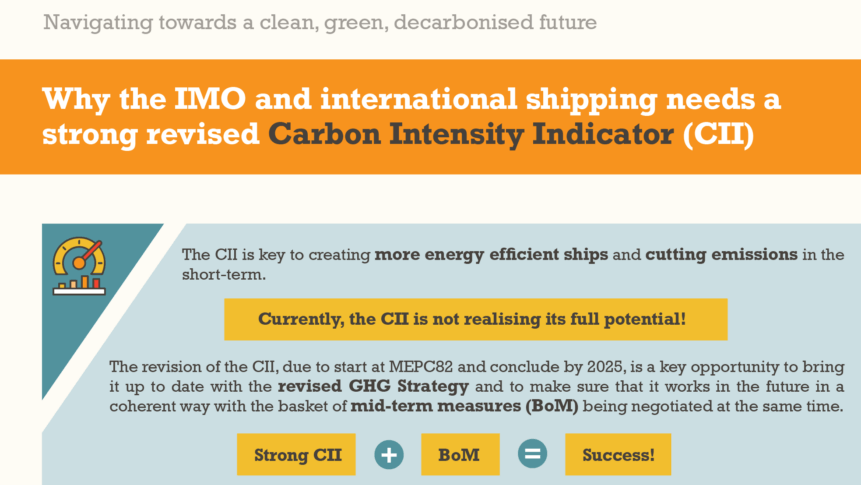
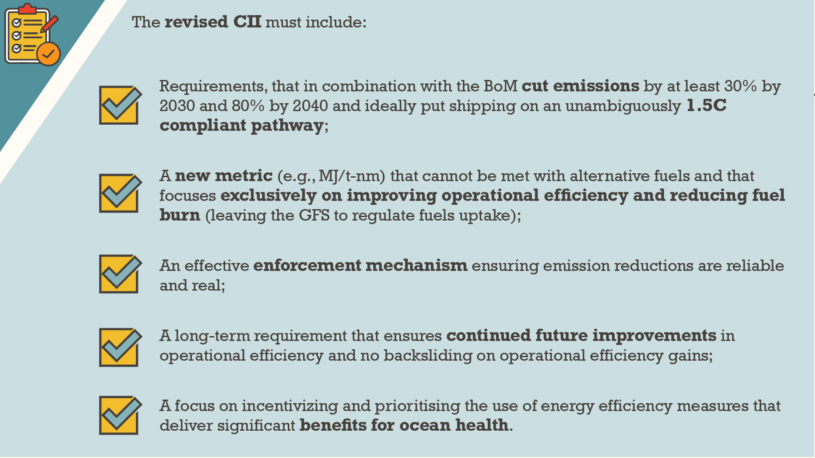
Given the track record that these organisations have on climate (i.e. decades of procrastination), this would be an incredible mistake. Only this May the IMO’s Marine Environmental Protection Committee (MEPC) rejected a call by the Marshall Islands, a nation that could be drowned due to rising sea levels, to set an emissions target for that sector.
Meanwhile ICAO’s efforts are based on a target of carbon neutral growth from 2020 – a target that is totally insufficient for the 2 degree scenario, and that could be met using a questionable offsetting scheme. The sector meanwhile continues to receive generous tax-free status for its fuel, to the tune of $65bn per annum, despite commitments from G20 nations to end fossil fuel subsidies.
The current wording in the Paris text that deals with international aviation and shipping sets a modest goal – the ICAO and IMO should set emissions targets that reflect our shared goal of limiting a temperature increase to 2 degrees. It still leaves ICAO and IMO with responsibility to identify what this target would be and what measures should be adopted to achieve it, but requires both organisations to step up their climate efforts.
Despite this modest objective, the text has sparked furious opposition since it was introduced by EU negotiators earlier this year. It is unclear if it will even survive until the opening of the Paris COP. The aviation and shipping industries have an incredible ability to innovate, but we must make sure this innovation is targeted at creating a low-emissions flying future. Including the industry in the Paris agreement is a prerequisite to achieve this goal.
Follow progress towards a climate deal that includes aviation and shipping on T&E’s Road to Paris webpage