Environmental organisations and shipping industry call for carriage ban on non-compliant fuel
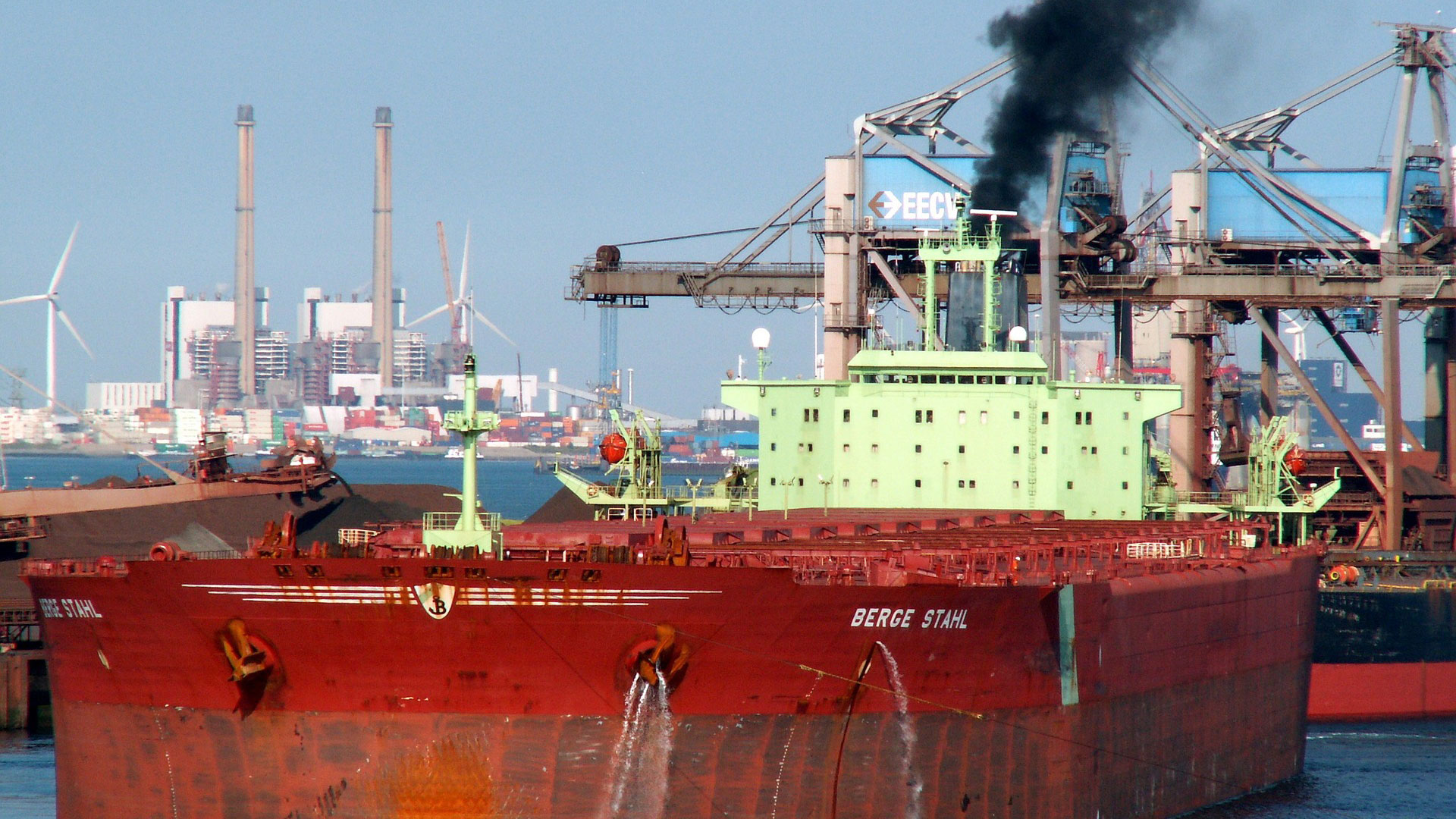
Leading environmental organisations and the global shipping industry have joined in calling for an explicit prohibition on the carriage of non-compliant marine fuels when the global 0.5% sulphur cap takes effect in 2020.
The International Maritime Organisation (IMO) has agreed that from 1 January 2020 the maximum permitted sulphur content of marine fuel (outside Emission Control Areas) will reduce from 3.5% to 0.5%. Unless a ship is using an approved equivalent compliance method, there should be no reason for it to be carrying non-compliant fuels for combustion on board.
The 2020 sulphur cap will provide substantial environmental and human health benefits as a result of the reduced sulphur content of marine fuels used from 1 Jan 2020. At the same time, the 2020 cap will significantly increase ships’ operating costs and will present major challenges to governments that must ensure consistent enforcement across the globe. To secure the intended environmental and health benefits, the organisations say it is of utmost importance that enforcement of this standard is efficient and robust globally. Any failure by governments to ensure consistent implementation and enforcement could also lead to serious market distortion and unfair competition.
In a joint statement ahead of a critical IMO meeting in February, at which proposals for a carriage ban will be discussed by governments, environmental and shipping organisations assert that such a ban will help ensure robust, simplified and consistent enforcement of the global sulphur cap.
A number of international associations representing the global shipping industry, as well as the Cook Islands and Norway, have already submitted proposals to IMO to ban the carriage of non-complaint fuels. These proposals call for an amendment to Annex VI of the MARPOL Convention, stipulating that ships should not carry fuel for propulsion with a sulphur content above 0.5% (unless they are using an approved alternative compliance method).
Given the fundamental importance of the 2020 global sulphur cap, the call for a prohibition on the carriage of non-compliant fuels is now supported by the following organisations:
BIMCO, Clean Shipping Coalition, Cruise Lines International Association, Friends of the Earth U.S., International Chamber of Shipping, International Parcel Tankers’ Association, INTERTANKO, Pacific Environment, World Shipping Council, and WWF Global Arctic Programme.
Note:
The industry proposal to the IMO for a carriage ban of non-compliant marine fuel in 2020 can be found at bit.ly/2iUOzNO and will be considered by the next IMO Sub Committee on Pollution Prevention and Response from 5-9 February. A similar proposal has also been made by Norway and the Cook Islands.